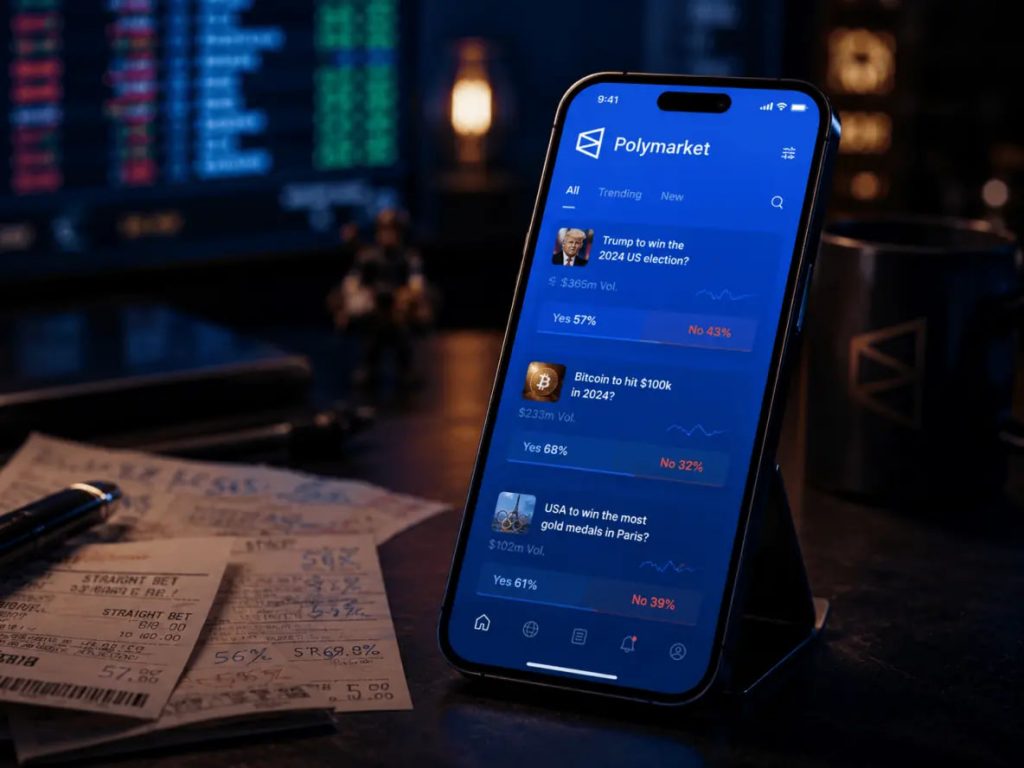
The Tunica-Biloxi Tribe of Louisiana flipped the switch on September 18, 2026, and became the first sovereign tribal government to run its own prediction market — the Kalshi Tunica-Biloxi app. A brand-new tribal arm called SaltTrade Derivatives built that app directly on top of Kalshi’s existing exchange rails instead of starting from scratch. Just two days earlier, a federal appeals panel handed Kalshi the exact opposite result on a different stretch of tribal land, wiping out its sports-event contracts on California reservations.
One company, one seven-day window, two rulings on tribal sovereignty pointing in opposite directions. Both disputes come down to the same question — who controls gaming on tribal land — and Kalshi’s fate now swings entirely on which tribe sits across the table and what that tribe wants from the deal.
Inside SaltTrade Derivatives
SaltTrade Derivatives functions as a division within a larger Tunica-Biloxi-owned enterprise, and the tribe pulled its name from its own history as salt traders. Rather than engineer a fresh exchange from the ground up, the tribe plugged its app straight into Kalshi’s infrastructure and agreed to split trading revenue with the company.
Traders on the app buy and sell contracts tied to future events under the exact rules and settlement logic Kalshi runs everywhere else. Tunica-Biloxi Chairman Marshall Pierite described the arrangement as ownership rather than licensing: “This partnership represents exactly the type of opportunity Indian Country should be pursuing, where Tribes are owners, innovators and leaders, not just participants.”
Kalshi CEO Tarek Mansour pitched the setup as a template other tribes could replicate: “Regulated national infrastructure and Tribal entrepreneurship can develop together — and one does not have to lose for the other to win.”
How a CFTC No-Action Letter Clears the Path
SaltTrade Derivatives never went through CFTC exchange registration at all; a conditional no-action letter from the agency does that job instead, with CFTC staff committing to skip enforcement as long as the tribe stays within the letter’s terms. CFTC oversight still reaches every market SaltTrade lists — the tribe only avoided a separate registration hurdle on its way into Kalshi’s system.
Regulators have handed out this exact type of cover before, letting outside parties connect to registered exchanges without registering as exchanges themselves. Our earlier piece on the CFTC’s passive software carve-out walks through that identical exemption. What’s changed this time is who’s holding it — a tribal government now sits with the kind of regulatory shield software vendors used to claim almost exclusively.
California Went the Other Way That Same Week
On September 16, 2026 — two days ahead of the Louisiana launch — the Ninth Circuit ruled that Kalshi’s sports-event contracts probably violate the Indian Gaming Regulatory Act (IGRA) any time the platform sells them on Blue Lake Rancheria and Chicken Ranch Rancheria of Me-Wuk Indians land. Judge M. Margaret McKeown wrote the opinion and dismantled Kalshi’s core argument — that calling a wager an “event contract” pulls it out from under gambling law and into CFTC territory. Her reasoning boils down to one line: a customer standing on a reservation while placing a Kalshi contract triggers IGRA, no exceptions.
U.S. District Judge Jacqueline Scott Corley, who already denied the tribes’ request for a preliminary injunction once, now has to reconsider that call using the appellate court’s logic. Tribal attorney Les Marsten expects the fight to keep escalating: “I’ll be in the U.S. Supreme Court before February of next year.” Kalshi’s outside counsel, Joshua Sterling, declined to comment on the ruling. Case No. 25-7504 carries the full opinion on the Ninth Circuit’s own site.
Kalshi’s “financial product, not gambling” defense has now come up short twice, and tribal land isn’t the only place it’s collapsed — the Tenth Circuit rejected that same argument in a separate Utah case.
One Law, Two Outcomes
IGRA gives federally recognized tribes final say over gaming on their own land, and that single clause is exactly what let Blue Lake and Chicken Ranch stop Kalshi cold in California — the company never secured their consent, and IGRA doesn’t leave room to negotiate around that. Tunica-Biloxi sits on the opposite side of that identical rule: SaltTrade Derivatives runs on Tunica-Biloxi land under the tribe’s own authority, so the consent question never even comes up. The tribe owns the land and operates the exchange sitting on it, all at once.
Kalshi has no say in picking its battles here. Whichever tribe controls the land controls the outcome — bring Kalshi in as a partner or keep it out entirely — and that decision shifts every time the land changes hands between tribes.
What Comes Next
Two storylines are now running side by side. In California, Judge Corley’s second look at the injunction, plus whatever appeal follows either side’s outcome, will settle whether Kalshi can keep selling sports contracts near tribal land without a gaming compact. In Louisiana, SaltTrade Derivatives becomes the live proving ground for whether tribal ownership actually pays off — for users, for revenue splits, and for any other tribe weighing whether to build something similar.
Mansour’s talk of a repeatable “model” sounds less like marketing language and more like an actual roadmap at this point. If more federally recognized tribes strike comparable deals, Kalshi ends up running two entirely different playbooks on tribal land at the same time — one built on partnership, the other still frozen by a federal court.