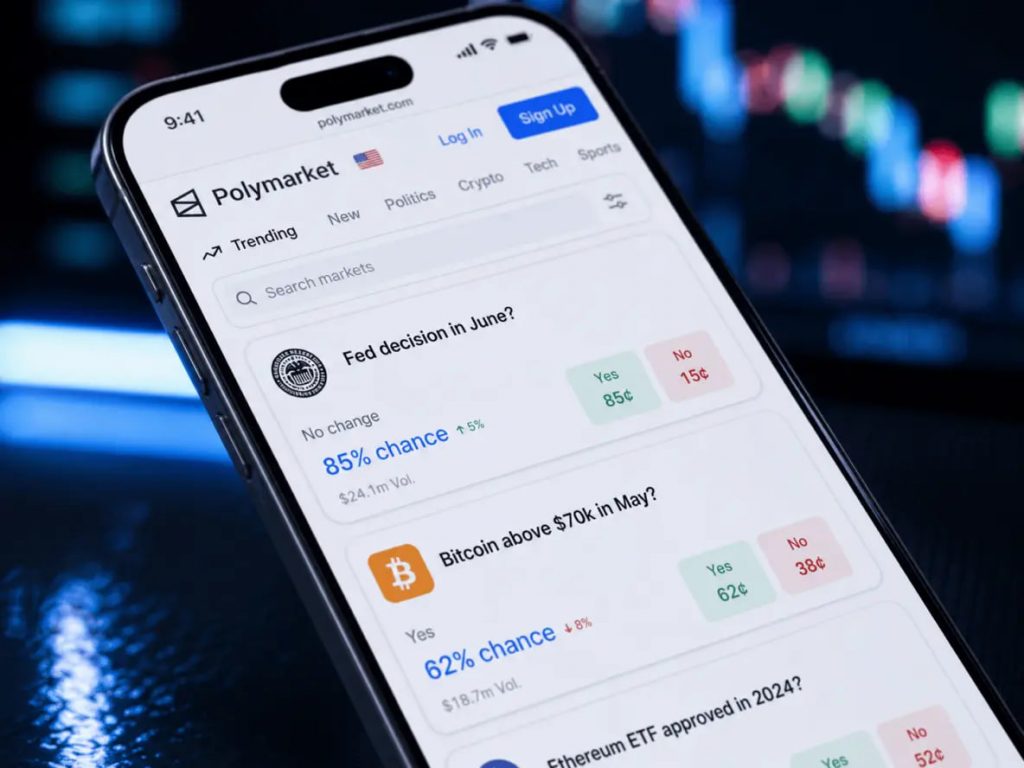
Kalshi and Polymarket parlay fees became one of the more telling stories in prediction markets this August. Kalshi collected roughly $25 million in parlay taker fees in just the first 16 days of the month, according to reporting from News.Bitcoin.com. At the same time, Polymarket US pushed its own parlay product out of a limited beta and into the hands of ordinary users. Two platforms that built their reputations on simple yes-or-no contracts are now racing each other into combo betting, and the fee structures behind that race look very different.
What Actually Happened in August
Polymarket US began testing parlays on August 5. During that early stage, only API users — mostly professional traders and market makers — could place them. Regular users on the Polymarket US app were locked out.
The beta ran quietly for two and a half weeks. By August 22, Polymarket US flipped the switch for everyone with a Thursday app update, making parlays available to its general customer base for the first time.
Kalshi moved on a different track. Its parlay volume had already climbed from $4.77 billion in May to $13.78 billion in July. By mid-August, taker fees alone on those parlays had reached about $25 million, even during a stretch of the sports calendar that is usually thin on major games.
Two Very Different Fee Models
The Kalshi and Polymarket parlay fees split along structural lines, not just dollar amounts. Kalshi’s peak fee rate on parlays runs around 1.75% of contract value. That sounds modest until the odds get long: on contracts trading near one cent, the effective rate can climb to roughly 7%, because the fee is charged relative to the payout rather than the stake.
Polymarket takes the opposite approach. Its US parlay product, built as a combinatorial outcome contract with two to ten legs, uses maker rebates worth up to $0.31 per $100 traded rather than a flat taker fee. Pricing runs through a request-for-quote system: a trader submits a combination of outcomes, market makers get roughly 400 milliseconds to respond with a price, and the trader has five seconds to accept the best offer.
Kalshi added its own twist on the same day Polymarket went public. It started charging market makers on multi-leg bets for the first time, a fee that previously only applied to takers. Both platforms are now charging on both sides of a parlay trade, just through different mechanics.
The Regulatory Paper Trail
None of this happened without a formal filing. Polymarket’s operating entity, QCX LLC, self-certified its combinatorial outcome contracts with the Commodity Futures Trading Commission on May 20, 2026, with an amendment following in July before the product actually went live in August. That gap between certification and launch is normal for CFTC-regulated exchanges, but it shows how much lead time sits behind what looked like a sudden product drop.
Kalshi operates under the same regulatory umbrella as a CFTC-designated exchange, which is why both companies can offer these combo contracts nationwide instead of state by state, the way a traditional sportsbook parlay would need separate licensing in every state. Readers who want the fuller picture of how that federal path works can check our full Polymarket vs Kalshi comparison.
Why the Volume Numbers Don’t Tell the Whole Story
Polymarket’s beta generated $7.4 million in volume across 16,173 trades, with taker stakes of $928,093. That is a rounding error next to Kalshi’s $13.78 billion in July parlay volume alone. But the comparison is misleading on its own.
Polymarket’s number reflects two and a half weeks of an API-only test that most regular users never saw. Kalshi’s figure reflects a product that has been building volume since at least May, with football and basketball as its main draws, plus “mention” markets layered on top. Most of Polymarket’s beta volume only showed up after August 13, which suggests trading picked up once word spread among the market-maker community rather than at the actual launch date.
What This Means for Anyone Placing Bets
Parlays pay out only if every leg lands, and that math does not change just because the platform calls it an “event contract” instead of a bet. The appeal is the same higher, riskier payout structure sportsbooks have sold for years. The difference on Kalshi and Polymarket is where the fee actually gets taken, and that has a direct effect on the price you’re quoted before you ever place a trade.
On Kalshi, a long-shot parlay carries a fee that scales up sharply as the odds get longer, which can quietly eat into a payout that looked attractive at first glance. On Polymarket, the request-for-quote system means the price is not fixed in advance the way a single market’s order book would show it. Traders comparing the two platforms should treat the quoted price as a starting point, not the final cost, and check the fee schedule before confirming a multi-leg trade. For a broader look at how to evaluate a platform’s odds and pricing before committing, see our guide on Polymarket betting strategies.
Both companies are still adjusting fee structures in real time — Kalshi’s market-maker fee only started the same week Polymarket opened its parlays to the public. Anyone trading combo contracts on either platform should expect the fee terms to keep shifting through the rest of the football season, as both exchanges test how much of the parlay premium they can capture before traders start comparing the two side by side.