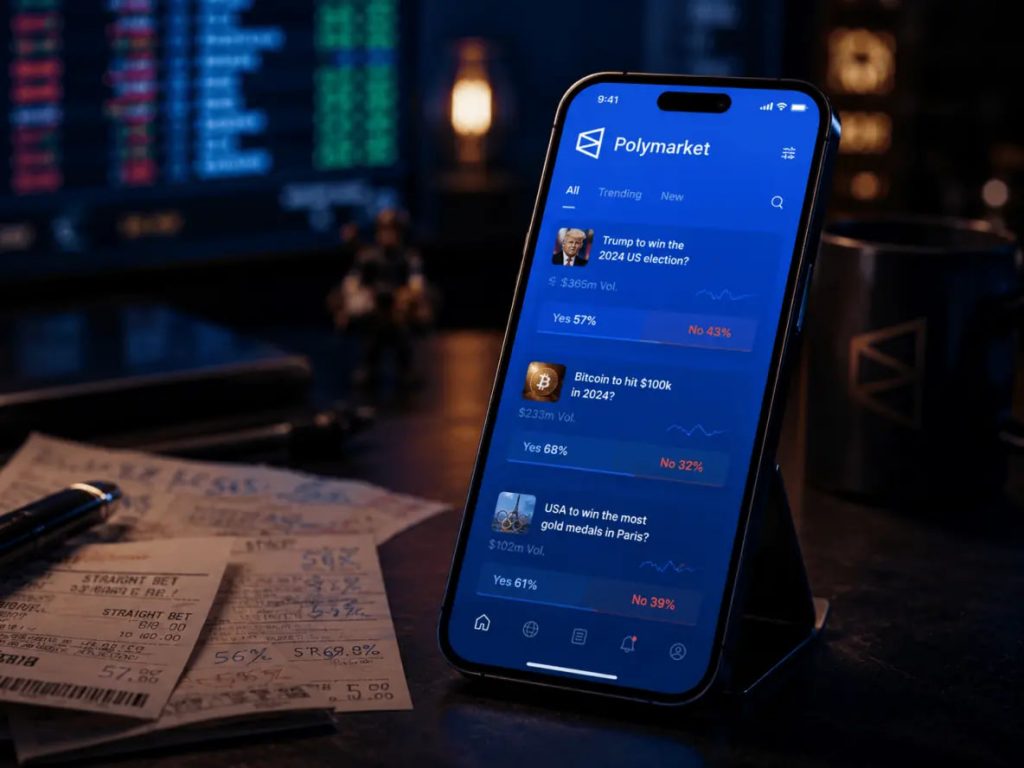
Two Federal Reserve officials just voted for a rate hike while the rest of the committee chose to hold steady. Four days later, traders pushed the odds of a December rate increase to roughly 82%. Polymarket Fed rate markets are now betting on a hike, not a cut, a full reversal from how the same contracts were priced for most of 2026. Understanding how these markets are built explains why that flip happened so fast, and why it could reverse again before the next statement drops.
What the October Vote Just Changed
On October 28, 2026, the Federal Open Market Committee held the federal funds rate at a target range of 3.75% to 4.00%. The vote was 10-2, which sounds routine, but the two dissents were not. Cleveland Fed President Beth Hammack and Governor Lisa Cook both pushed for a quarter-point hike instead of holding or cutting.
That is an unusual kind of dissent. Fed dissents over the past two years have almost always leaned toward cutting faster, not raising rates. The official FOMC statement confirmed the hold and the split vote, and traders read the hawkish dissent as a signal that the committee’s next move could tighten rather than ease.
How Polymarket’s Fed Markets Are Built
Each scheduled FOMC meeting gets its own Polymarket event, and that event is split into several outcome contracts rather than a single yes-or-no bet. A typical Fed decision market lists outcomes like a 50-basis-point cut, a 25-basis-point cut, no change, a 25-basis-point hike, and a 50-basis-point hike. Only one of those can actually happen, so the contracts are grouped the same way as the negative risk structure we covered in our guide to negative risk markets.
Resolution is mechanical. The market settles against the upper bound of the federal funds target range named in the official Fed statement, not against any trader’s opinion of what “should” have happened. For the December 2026 meeting, that means the market resolves the moment the statement is released at 2:00 p.m. ET on December 9.
Reading the Odds as Probabilities
Every contract trades between 0 and 100 cents, and that price reads directly as an implied probability. A 25-basis-point hike contract trading at 77 cents means the crowd is pricing roughly a 77% chance of that specific outcome, nothing more mystical than that. We go through the mechanics in more detail in our guide to reading Polymarket prices as probabilities.
Across all the outcome contracts in a single Fed meeting, prices should add up to close to a dollar, with small deviations reflecting the bid-ask spread rather than a built-in house edge. As of late October, the December meeting’s hike contract carried more than $5.3 million in trading volume on its own, which tells you this is not a thin, easily ignored niche market.
What Moves the Price Before the Statement
Fed rate contracts barely move for weeks and then reprice hard in the days before a meeting. The main triggers are predictable. Inflation data, particularly CPI and the Fed’s preferred PCE measure, moves the hike-versus-cut balance more than almost anything else.
Labor market data matters just as much, which is why these markets often move in tandem with the jobs-related contracts we described in our breakdown of Polymarket’s jobs report markets. Speeches from Fed officials, FOMC minutes, and, four times a year, the Summary of Economic Projections dot plot all add fresh repricing triggers between meetings. December is one of those four meetings, so expect an extra round of volatility once the dot plot lands alongside the rate decision itself.
Trading Around a Fast-Moving Book
Liquidity on these contracts thins out sharply in the final minutes before 2:00 p.m. ET on decision day. Market makers pull resting orders ahead of a scheduled, binary-outcome announcement because the risk of getting run over is highest exactly then. A market order placed seconds before the statement can fill at a noticeably worse price than what was showing on screen a minute earlier.
Traders who want to track a specific outcome contract without staring at the screen all day typically rely on price notifications rather than manual refreshing. Our guide to setting up Polymarket price alerts walks through how to get notified when a contract crosses a threshold you care about, which is particularly useful heading into a meeting where the price can move ten cents in the minutes after the release.
Quick FAQ
Does a Fed rate market resolve instantly? It resolves as soon as the official statement naming the new target range is published, typically within minutes of the 2:00 p.m. ET release.
Can the hike and hold contracts both be above 50%? No. Because only one outcome can be true, the contracts compete for the same dollar of implied probability, so a rise in one typically pulls the others down.
Why did dissent votes matter so much here? Dissents are rare and the October pair both leaned hawkish, which is the opposite of the pattern traders had gotten used to through most of 2026, so it reset expectations for December.
The next scheduled decision lands on December 9, 2026. Given how fast the October hold flipped sentiment toward a hike, the contracts covering that date are worth watching well before the statement itself drops.